Motorized Blackout Roller Shades: Expert Guide & Tips 2026
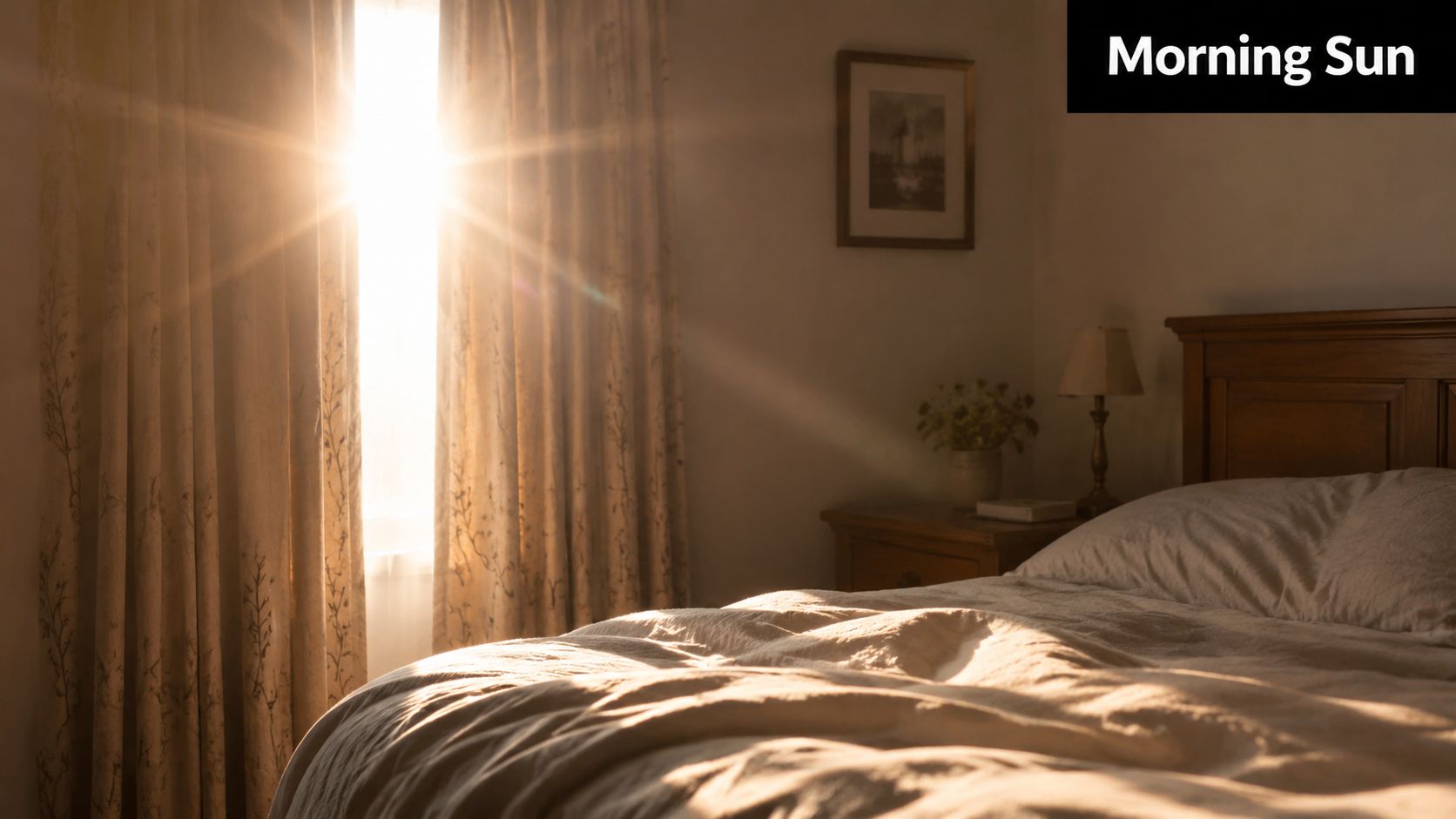
You close the bedroom curtains, but summer light still slips in at 5 a.m. The TV catches a bright glare every afternoon, and the room never feels quite private at night.
That's where motorized blackout roller shades start to make sense. They take a very old window treatment idea and update it with blackout fabric, a clean roller system, and a motor that lets you control light without getting up. Roller shades have been around since the 18th century, and a modern motorized blackout roller shade can start at $626.23 before customization, according to this roller shade history overview.
This kind of shade isn't just about making a room dark. It's about fixing real-life problems in a way that still looks neat and modern. If you're trying to sleep better, cut screen glare, or make a sunny room feel more comfortable, the details matter more than the marketing.
Table of Contents
- Your Guide to Motorized Blackout Roller Shades
- The Three Pillars of Perfect Light Control
- Choosing Your Power and Control Options
- Achieving True Blackout Performance
- Getting the Perfect Fit and Finish
- The Blinds Hut Custom Experience in London
- Frequently Asked Questions
Your Guide to Motorized Blackout Roller Shades
Motorized blackout roller shades combine three simple parts. A roller tube holds the fabric, the fabric blocks light through the middle of the window, and a motor raises or lowers the shade without a chain or cord. Put together, they solve a very practical set of problems: early morning brightness, TV glare, awkward-to-reach windows, and the daily chore of adjusting shades by hand.
The useful part is not just the motor. It is how the whole setup performs in a real room over time.
For example, a shade can have true blackout fabric and still leave bright lines of light at the sides if the fit is wrong. A battery motor can feel wonderfully convenient at first, then become one more household task if the charging routine does not suit the room or the number of windows. Those are the details that shape long-term satisfaction, and they often get skipped in quick product summaries.
Motorization adds comfort in a very everyday way. You can lower bedroom shades before sunrise, tilt the room toward better movie viewing in the afternoon, or cover a tall stairwell window without climbing up to reach it. If you are still deciding how much darkness you need, it also helps to compare blackout shades with light-filtering roller shades for softer daytime control.
A good way to judge these shades is to match them to the room's job. Bedrooms usually need darkness, quiet operation, and dependable morning routines. Living rooms often need glare control first. Street-facing rooms may put privacy at the top of the list.
Price matters too, but the smarter question is what you are paying for. Part of the cost goes into the motor and controls. Part goes into better fabric, a cleaner fit, and installation details that affect whether the room feels comfortably dim or frustratingly bright around the edges.
That is why a well-chosen motorized blackout roller shade tends to feel less like a gadget and more like a daily comfort upgrade. You notice it when the baby naps longer, the screen is easier to see, and the room stops heating up so quickly in strong sun.
The Three Pillars of Perfect Light Control
Motorized blackout roller shades work best when you think of them as three parts working together. If one part is wrong, the whole setup feels disappointing.
The roller system
The roller mechanism is the foundation. It holds the fabric, guides the movement, and gives the shade its clean, flat look.
This is why roller shades look less fussy than many other window treatments. When raised, they stay compact. When lowered, they create a simple panel across the glass.
For rooms where you don't want full darkness all day, some homeowners compare blackout shades with light-filtering roller shades for softer daytime control. That side-by-side thinking helps you decide whether the room needs sleep-friendly darkness or just gentler daylight.
The blackout fabric
The fabric does the actual light blocking through the body of the shade. In technical specifications for motorized interior roller shades, blackout fabrics are commonly defined with very low openness factors of about 0 to 15%, as shown in this motorized roller shade specification.
That sounds technical, but the idea is simple. Lower openness means less light passing through the fabric itself.
Privacy is part of the appeal too. A proper blackout material doesn't just dim a room. It helps stop silhouettes and visibility through the fabric, which makes bedrooms and street-facing rooms feel more secure.
The motor
The motor turns a manual shade into something you'll use every day. That matters more than people think.
If a shade is annoying to reach, many people leave it in one position and stop getting the benefit. Motorization changes that by making it easy to adjust light for sleep, glare, privacy, and comfort as the day changes.
- Morning bedrooms: Lower the shade before sunrise and keep the room darker.
- Afternoon living rooms: Cut harsh glare without walking across the room.
- Home offices: Adjust light quickly when screen reflections start.
- Tall windows: Control them without ladders or awkward poles.
Good light control isn't one feature. It's fabric, mechanics, and operation all doing their jobs together.
Choosing Your Power and Control Options
The power setup is where many buyers get stuck. They like the look of motorized blackout roller shades, but they aren't sure whether battery power will become a chore or whether hardwiring is worth the extra planning.
Battery or hardwired
Rechargeable battery motors are often the easiest fit for existing homes. You don't need to open walls, and that makes them especially appealing for retrofits.
Battery-powered systems commonly last 6 to 12 months per charge, depending on usage and shade size, according to this guide on motorized shade battery life and maintenance. For many households, that means charging once or twice a year.
Hardwired motors suit projects where walls are already open or where you want a more built-in electrical plan. They can be a smart fit for new builds, large renovations, or rooms with many shades that move often.
Motor Power Options Compared
| Feature | Rechargeable Battery | Hardwired |
|---|---|---|
| Best fit | Existing homes and simpler retrofits | New builds and major renovations |
| Wiring work | Minimal | Requires planned electrical access |
| Ongoing upkeep | Needs periodic charging | No charging routine |
| Day-to-day look | Clean and wire-free | Clean and permanent |
| Good choice for | Bedrooms, offices, single-room upgrades | Whole-home systems and heavily used setups |
A few people worry that battery systems sound like a compromise. In many homes, they aren't. They're often the most practical way to get automation without turning a window project into an electrical project.
How you'll control them day to day
Control options usually matter more than buyers expect. The best setup is the one your household will use without thinking about it.
You can explore common smart operation styles through remote control operated blinds, which is helpful if you're deciding between simple remote use and a larger smart-home plan.
Here's the easy way to think about controls:
- Remote control: Best for people who want simple button-based use.
- Wall switch: Good when you want a familiar control point near the room entrance.
- App control: Handy for scheduling and adjusting shades when you're not in the room.
- Voice assistant control: Useful when your hands are full or when you already use a smart speaker.
Noise is another real-world detail. Some premium systems are documented to operate with sound levels as low as 38 dBA, which matters in bedrooms, offices, and media rooms where motor sound can get irritating fast, as noted on Lutron's roller shades page.
If the shades will move early in the morning or late at night, quiet operation matters more than extra features.
If you're choosing between battery and hardwired, ask yourself two plain questions. Do you want the easiest install now, or the least maintenance later? And will you control one shade at a time, or several shades as part of a routine?
Achieving True Blackout Performance
A lot of shoppers assume blackout fabric means a pitch-dark room. That's where disappointment usually starts.
Why blackout fabric isn't the whole story
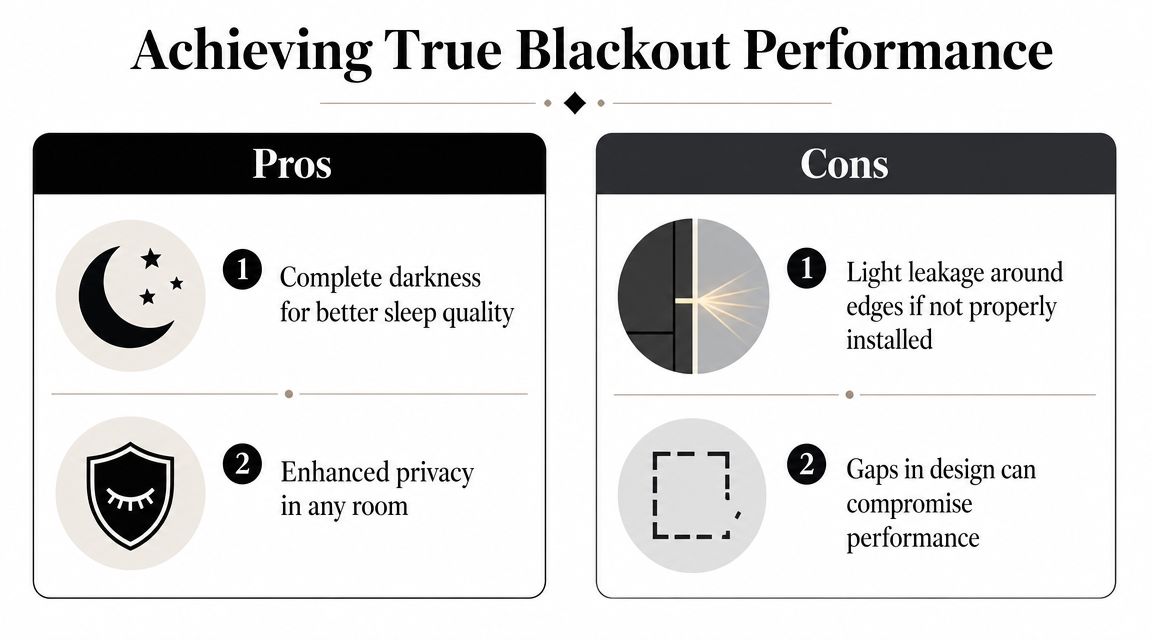
Even with “100% blackout” fabric, standard roller shades often leak light around the perimeter. That's the key point many product listings skip, and it's highlighted in this blackout roller shade product guidance.
The fabric may block light through the middle perfectly. But if there are gaps at the sides, bottom, or top, your eyes will still notice those bright lines, especially in a dark bedroom.
This is why one person says a blackout shade worked beautifully, while another says it didn't. They may have had very different window depths, mounting styles, and side gaps.
What helps block edge light
If you want near-blackout results, pay attention to the whole system, not just the swatch.
- Side channels: These help contain light leakage along the left and right edges.
- Mounting style: A better-suited mount can reduce visible gaps around the opening.
- Window depth: Deeper frames can sometimes help hide light paths more effectively.
- Precise fit: Small measuring or installation errors can show up as bright slivers.
Bedrooms, nurseries, and media rooms usually need the strictest approach. In those rooms, edge glow is often more annoying than people expect.
Fabric darkness and room darkness aren't the same thing. The installation decides whether blackout looks good on paper or works in real life.
A standard setup may still be fine if your goal is “very dark” rather than “near total blackout.” But if you're sensitive to early sunrise, shift work, or movie-room glare, edge control deserves just as much attention as the fabric choice.
Getting the Perfect Fit and Finish
A shade can have great fabric and a solid motor, then still look off because the fit is wrong. Crooked lines, side gaps, and awkward overhangs stand out fast on roller shades because the style is so clean.
Inside mount or outside mount
An inside mount sits within the window frame. It gives a tidy, built-in look and works well when the frame is deep enough and reasonably square.
An outside mount installs beyond the frame on the wall or trim. It can help cover more of the window opening and often gives you more flexibility when the frame is shallow or uneven.
Your choice affects both style and performance.
- Inside mount appeal: Cleaner, more architectural look.
- Outside mount advantage: Better chance of reducing side light with added coverage.
- Design factor: Trim, handles, and nearby mouldings can affect what looks best.
- Practical factor: Not every window frame is straight enough for a forgiving inside fit.
Why measuring errors show up fast
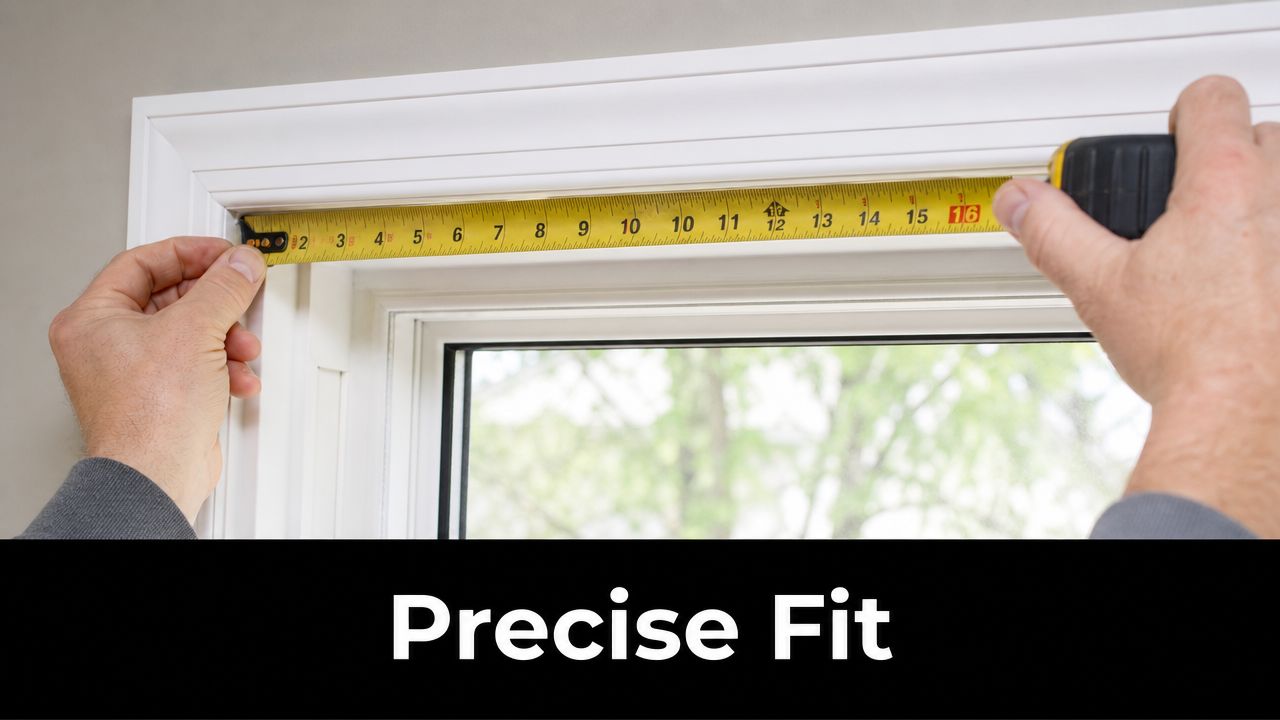
Roller shades don't hide mistakes very well. If the width is off, you'll notice gaps. If the brackets aren't level, the shade can look crooked even when the fabric is beautiful.
That's why careful measuring matters so much on motorized blackout roller shades. The cleaner the style, the more obvious the errors.
This quick visual gives a good sense of what proper measuring and setup involve:
A lot of DIY issues come from ordinary things. Trim that isn't square. Window frames that vary from top to bottom. Tiny hardware clearances that don't seem important until the shade is moving every day.
A perfect shade on the wrong measurements won't feel custom. It will feel expensive and slightly annoying.
If you care most about blackout performance, measuring isn't just about appearance. It directly affects how much stray light gets through.
The Blinds Hut Custom Experience in London
Some homeowners want to choose everything online and hope for the best. Others want someone to stand in the room, look at the windows, and point out what will work. For motorized blackout roller shades, the second approach usually avoids the most common regrets.
What the process feels like at home
The first helpful step is seeing fabric and colour samples in your own space. Light changes everything. A shade that looks perfect in a product photo can feel too stark, too warm, or not dark enough once it's against your wall colour and flooring.

For homeowners in London, Ontario, it also helps to work with a team that understands local homes, renovation realities, and the little quirks that affect fit. That's part of why many people look at motorized blinds in London, ON for smart and effortless control when they're comparing options.
The experience tends to feel simpler when one team handles the advice, measuring, product selection, and installation. You're not left guessing whether the fabric, mount, and motor choice all make sense together.
Why local service changes the result
Blinds Hut is a family-owned company serving London, Ontario, with custom blinds, shades, and shutters made in Canada. The company offers free in-home consultations, brings samples into the space, provides precision measurements, and installs with certified professionals.
That kind of service matters because motorized blackout shades aren't just a décor purchase. They're a fit-and-function product.
Blinds Hut also highlights practical support details many homeowners appreciate, including same-day quotes, removal and disposal of old coverings, and a 10-year warranty on cassettes. For a product you'll use every day, that kind of follow-through can make ownership feel much easier.
- At-home advice: You can compare fabrics and operation styles where the shades will live.
- Custom sizing: Made-to-measure products help avoid the common gap and alignment issues.
- Professional install: Clean bracket placement and proper programming make the final result feel polished.
- Ongoing confidence: Local support is easier when questions come up after install day.
Frequently Asked Questions
Can motorized blackout roller shades work in an older home
Yes, and older homes are often a very practical fit for them. Rechargeable motors let you add automation without opening finished walls, which matters in homes where wiring access is limited or messy.
Are they noisy when they move
It depends on the motor and the size of the shade. A larger shade has more material to lift, so it can sound different from a small bathroom window.
For bedrooms, nurseries, offices, and media rooms, ask to hear the motor in action before you choose. Noise is easy to ignore in a showroom and much harder to ignore at 6 a.m.
Do blackout shades always make a room fully dark
No. Blackout fabric blocks light through the fabric itself, but light can still slip in around the sides, top, or bottom if the fit and mounting details are not right.
A good way to picture it is a winter coat with the zip closed but the collar open. The main barrier is doing its job, yet a small opening still changes how the room feels. If your goal is better sleep, look closely at edge gaps, mounting style, and whether side channels or tighter clearances are available.
What happens when the battery needs charging
That depends on the motor system and how often you use the shade. Some rechargeable options can run for months between charges, while others need more regular attention.
This is one of those details that sounds small until the shade is installed on a tall stairwell window or above a bed. Before ordering, ask where the charging port sits, how you reach it, and whether a charger or optional solar accessory makes upkeep easier. Battery power can be very convenient, but only if charging the shade is simple in real life.
Can I add motorization to every room
Yes, but it usually makes sense to start where the problem is strongest.
Bedrooms are often first because poor light control affects sleep. Living rooms and home offices follow close behind because glare on screens gets old fast. Hard-to-reach windows are another smart place to start, since those are the windows people tend to leave half-open or never adjust at all.
A room-by-room plan often works better than trying to automate everything at once.
If you're in London, Ontario and want help choosing the right fabric, mount, and motor setup for your space, Blinds Hut can walk you through it in person. Their team handles consultation, measuring, custom ordering, and installation, which makes it much easier to get motorized blackout roller shades that look right and work the way you expected.